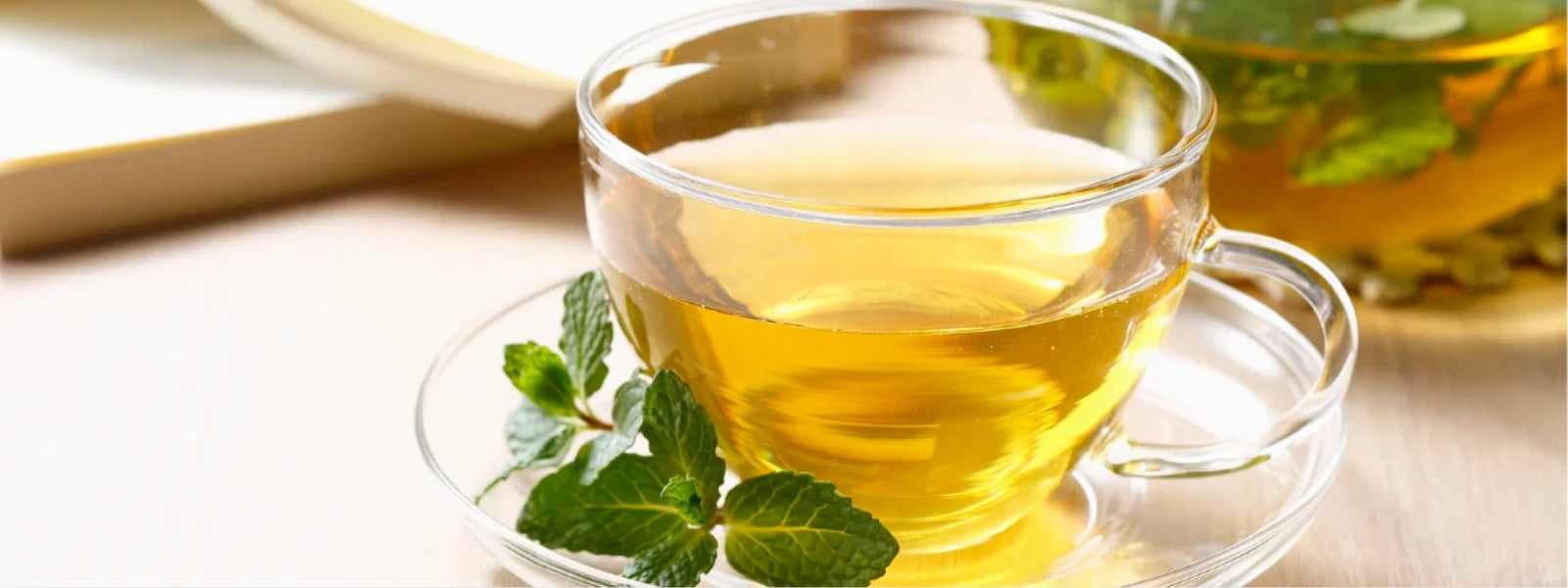
Unlock Green Tea Benefits: Brew It Right, Avoid Bitterness
Green tea has been cherished for centuries, not just for its refreshing taste, but for an impressive array of health benefits. From aiding in weight management and boosting metabolism to supporting digestive health and enhancing mental clarity, a daily cup of green tea is a simple yet powerful addition to any wellness routine. However, despite its apparent simplicity, many people inadvertently make one crucial mistake that transforms this golden-green elixir into a bitter, unpalatable brew: improper preparation. This oversight not only diminishes the enjoyment but also can compromise the very health benefits you're seeking.
The good news? Crafting the perfect cup of green tea – one that is smooth, earthy, and utterly delicious – is surprisingly easy once you know the secrets. Forget about those harsh, grassy flavors. We're here to guide you through the effortless steps to brew green tea correctly, whether you prefer the convenience of tea bags or the nuanced flavors of loose leaves. We'll dive into the critical details, share natural enhancements, and reveal why embracing this ancient beverage daily is one of the smartest choices you can make for your health. Ready to transform your tea-drinking experience? Let's begin your journey to a perfectly brewed, bitterness-free cup. For a quick reference, you can always check out
How to Make Green Tea Easily: Get a Perfect, Non-Bitter Cup.
The Core Benefits of Green Tea: More Than Just a Drink
Green tea's reputation as a super-beverage is well-earned, backed by both traditional wisdom and modern science. Its unique composition, rich in antioxidants and beneficial plant compounds, contributes to a multitude of health advantages that extend far beyond simple hydration.
- Metabolic Boost & Weight Management: Green tea contains catechins, particularly epigallocatechin gallate (EGCG), which have been shown to help boost metabolism and increase fat burning. Regular consumption, especially alongside a healthy diet and exercise, can support your weight loss efforts by enhancing thermogenesis – the body's process of producing heat and burning calories.
- Digestive Harmony: The polyphenols in green tea can act as prebiotics, feeding beneficial gut bacteria and promoting a healthy microbiome. A balanced gut is crucial for efficient digestion, nutrient absorption, and overall well-being.
- Enhanced Mental Clarity & Focus: While containing less caffeine than coffee, green tea provides a more sustained, gentler energy boost, thanks to L-theanine. This amino acid works synergistically with caffeine to promote alertness and focus without the jitters, improving cognitive function, mood, and memory.
- Powerful Antioxidant Protection: Green tea is loaded with potent antioxidants that combat oxidative stress and protect cells from damage caused by free radicals. This can contribute to reducing the risk of chronic diseases, supporting cardiovascular health, and even promoting healthier skin.
- Immune System Support: The vitamins, minerals, and antioxidants in green tea contribute to a robust immune system, helping your body defend against common illnesses and maintain overall health.
These benefits are compelling reasons to incorporate green tea into your daily routine. However, to truly unlock its full potential, proper brewing is paramount.
Mastering the Brew: Step-by-Step Guide to Perfect Green Tea
Making green tea at home is a straightforward process, but it hinges on a few critical details that ensure a smooth, flavorful, and bitterness-free result.
Gathering Your Essentials
Before you begin, ensure you have the right components:
- Green Tea: Loose Leaves or Tea Bags: While tea bags offer convenience, high-quality loose-leaf green tea often delivers a superior flavor profile and greater health benefits. For a single cup, aim for about one teaspoon of loose leaves or one tea bag.
- Fresh Water: This is often overlooked but makes a significant difference. Tap water, especially if it's hard or chlorinated, can impart off-flavors. Filtered or spring water is always recommended for the cleanest taste.
- Mug or Teapot: Your vessel of choice.
- Optional Enhancements: Lemon wedges, a drizzle of honey, fresh mint leaves, or a slice of ginger can elevate your tea experience.
The Golden Rule: Water Temperature is King
This is arguably the most crucial step in avoiding bitterness. Unlike black tea, green tea is delicate and sensitive to high heat. Blasting it with boiling water will "cook" the leaves, extracting bitter tannins and destroying some of the delicate compounds responsible for its subtle flavors and health benefits.
*
Ideal Temperature: Aim for water between 70 to 80°C (160 to 180°F).
*
No Thermometer? No Problem: If you don't have a temperature-controlled kettle or a thermometer, simply boil your water to a rolling boil and then let it sit for 1-2 minutes off the heat. This cooling period will bring the water down to the ideal range. You'll notice the vigorous bubbling subsides, indicating it's ready.
Once your water is at the correct temperature, gently pour it over your tea leaves or tea bag in your mug or teapot. There's no need for an aggressive pour; a steady, gentle flow is perfect.
Steeping for Success, Not Bitterness
The steeping duration is the second critical factor in preventing bitterness. Over-steeping will lead to a strong, astringent flavor.
*
Recommended Steep Time: 2 to 3 minutes, tops.
*
Experimentation is Key: While 2-3 minutes is a general guideline, your personal preference might vary slightly. Some lighter green teas might be perfect at 1.5 minutes, while some bolder varieties could handle 3 minutes. Experiment within this narrow window to find your sweet spot.
*
Covering Your Cup: Placing a lid or a small saucer over your cup during steeping helps trap the heat and aromatic compounds, resulting in a richer, more fragrant brew.
Once the steeping time is complete, promptly remove the tea bag or strain the loose leaves. Leaving them in will continue the extraction process, inevitably leading to a bitter taste. For more detailed instructions on achieving this balance, see
Your Simple Guide to Making Green Tea (No Bitterness Ever!).
The Final Flourish: Enjoying Your Perfect Cup
With the hard work done, it's time to enjoy your perfectly brewed green tea.
*
Personalize Your Brew: If desired, add your chosen enhancements. A squeeze of lemon can brighten the flavor and even enhance antioxidant absorption. A touch of honey can add natural sweetness, while mint or ginger can introduce a refreshing or spicy kick.
*
Sip and Savor: Take a moment to appreciate the aroma and taste. Green tea is best enjoyed slowly, allowing you to fully experience its subtle nuances and warmth.
Advanced Tips & Tricks for the Green Tea Enthusiast
Beyond the basics, a few extra insights can elevate your green tea experience even further.
Loose Leaf vs. Tea Bags: A Quality Debate
While tea bags are convenient, they often contain "fannings" or dust – the smallest particles of tea leaves. Loose leaf green tea, on the other hand, consists of whole or broken leaves that have more surface area to unfurl and release their full spectrum of flavors and beneficial compounds. Investing in good quality loose leaf tea often translates to a richer, more complex, and less bitter brew.
Cold Brew Green Tea: A Refreshing Alternative
For warmer days or a smoother, naturally sweeter green tea, cold brewing is an excellent method. Simply combine loose leaf green tea with cold filtered water in a pitcher, cover, and refrigerate for 6-12 hours (or even overnight). The slow extraction process with cold water minimizes the release of bitter tannins, resulting in an exceptionally smooth and refreshing beverage.
Flavor Variations and Natural Enhancements
Don't be afraid to experiment with natural additions:
- Lemon or Lime: Adds a zesty brightness and vitamin C.
- Honey or Maple Syrup: For a touch of natural sweetness.
- Fresh Mint Leaves: Imparts a cooling, refreshing aroma.
- Ginger Slices: A warming, spicy kick that's great for digestion.
- A Dash of Cinnamon: Adds warmth and can help regulate blood sugar.
Storage Secrets: Keeping Your Green Tea Fresh
Green tea is sensitive to light, air, moisture, and strong odors, which can degrade its flavor and potency. Store your green tea (especially loose leaf) in an opaque, airtight container in a cool, dark, and dry place. Avoid storing it near spices or coffee, as tea can easily absorb other aromas. Proper storage ensures that every cup you brew is as fresh and vibrant as possible.
Common Pitfalls to Avoid for a Bitter-Free Experience
To reiterate and summarize, here are the key missteps that lead to bitter green tea, and how to avoid them:
*
Using Water That's Too Hot: This is the number one culprit. Always allow boiling water to cool for a minute or two before pouring. Remember the 70-80°C (160-180°F) sweet spot.
*
Steeping for Too Long: Patience is a virtue, but over-steeping is a vice when it comes to green tea. Stick to the 2-3 minute rule. If you desire a stronger brew, add slightly more tea leaves, not more steeping time.
*
Ignoring Water Quality: Subpar water can mask or distort the delicate flavors of green tea. Opt for filtered or spring water whenever possible.
*
Using Low-Quality Tea: While even good tea can be ruined by improper brewing, starting with high-quality loose leaf green tea provides the best foundation for a delicious, beneficial cup.
Conclusion
Embracing green tea as a daily ritual is a fantastic way to support your health and well-being. By understanding and implementing these simple brewing techniques, you can transform your experience from a potentially bitter chore into a delightful, flavorful habit. Remember, the key to unlocking the true benefits of this ancient elixir and enjoying its smooth, earthy notes lies in controlling the water temperature and steeping time. Armed with these insights, you now know exactly
how to make green tea that is consistently perfect, never bitter. So, go ahead, brew yourself a delicious cup, and savor the countless advantages it brings to your mind and body.